
Natural and Beneficial Gardens – A Place Where Life Thrives
Why Are Beneficial Plants Important in a Garden?
This topic is especially close to our hearts. Through our daily work, we often see gardens that lack meaningful function for nature—spaces where biodiversity is not supported and natural balance is missing. We believe this can and should be different.
A garden is not just a visual addition, but a living ecosystem that has a meaningful impact on both nature and human well-being. Unfortunately, many gardens are empty or designed in ways that do not support biodiversity. Our goal is to help change this mindset.
Biodiversity Begins in Your Garden
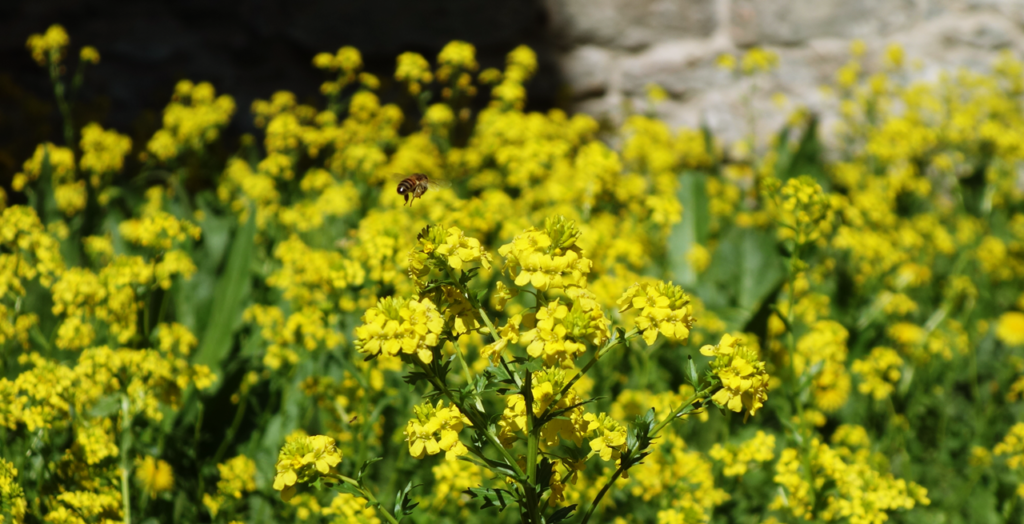
Beneficial plants help create a balanced environment. Flowering plants provide food for pollinators such as bees, bumblebees, and butterflies, as well as many other species whose role in nature is invaluable. Without pollinators, the productivity of both wild plants and food crops would decrease significantly.
Diverse plantings also provide habitats for small birds and insects. When a garden is naturally balanced, there is no need for chemicals or other pest control—the ecosystem takes care of itself.
More Than Beauty – Practical Value
Beneficial plants are not only good for nature—they also create a more enjoyable living environment for people. A diverse and thoughtfully designed garden:
- improves air quality
- reduces noise
- provides shade and cooling during hot summer days
- supports mental well-being
Many properties have garden areas and children, making it ideal to create gardens that are both functional and educational. Small greenhouses give children the opportunity to practice growing tomatoes or other vegetables, and planting fruit trees allows them to observe nature’s cycles and learn firsthand how food grows.
What Makes a Garden Beneficial?
A beneficial garden does not have to be complicated. It comes down to conscious choices:
- prefer native and resilient plant species
- plant a variety of species that bloom at different times
- leave some areas more natural (e.g., unmown lawn sections)
- avoid excessive hardscaping and uniform planting
- maintain the garden without the use of chemicals
Even small changes can have a significant impact.
Education and Awareness Matter
It is important to involve children from an early age and explain why this all matters. When children grow up understanding nature, they are more likely to value and protect it in the future. It is equally important to understand that natural environments are not harmful, as is sometimes believed. A balanced, living garden supports life and contributes to our own well-being.
Our Approach
We believe a garden should be more than just beautiful—it should be rich in life, functional, and balanced. Thoughtful planting creates a space where both people and nature can thrive—naturally and without chemicals. Every garden can be part of a bigger whole—a place where life flourishes and children can learn to value nature.
More coming soon …